Alexander Dumas famously described the home estate of one of the villians in his masterwork The Count of Monte Cristo as “All the bad taste money could buy.” Frequently we hear that an amenity is made in certain country and immediately think it must add to the opulence of a new build, or because something is the newest of its kind, it automatically translates into raising the value of a home. The reality could not be further from the truth.
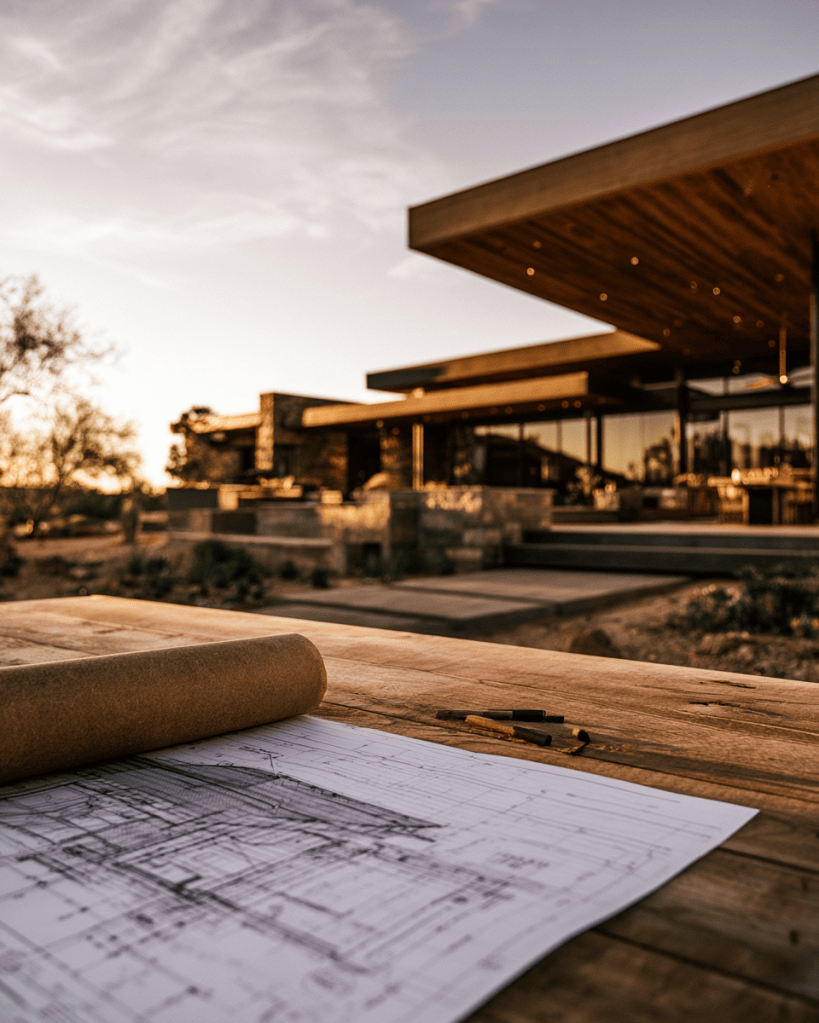
Wise homeowners and investors understand that the main value of the home is the overall experience of living in it, the peace of mind it renders to the inhabitant, and the final home value when it comes time to sell. Recently Macoyosh Builders was consulted on the best amenities to upgrade in a luxury home to make it more attractive to potential buyers, and some of the most expensive amenities brought to the table, including tearing out much of a stackstone wall to place a tv jack in a certain place when the opposite wall already had appropriate hook ups, certainly was not going to improve the eventual roi when negotiations began. THe remodel cost would have been astronomical and would not have garnered its weight when assessing the home.
That is not to say that the details don’t matter. Thoughtful precision is priceless during the planning and construction phases, and certainly any home worth building is worth building with attention to every amenity, but there are some principles that can guide us in deciding whether to include something or not.
- Does the amenity flow cohesively with the overall vision? Custom Tile work and such are wonderful to have, but more expensive tiles or extensive tiling on walls doesn’t necessarily mean better. Sometimes the wiser option is to employ cosmetics as accents to create wow factor dynamics rather than overwhelm the senses.
- is the amenity a hot item on today’s market? One of the discussions we had with the homeowner, designer and real estate agent involved LED amenities. The realtors and I decided that the bathroom could substantially increase in value by adding specialized mirrors and could suffer in market value by omitting them.
- In building our own homes, is it a style that truly speaks to us or are we only looking to follow the neighbor’s lead? Stepping out of our autheniticity in order to compete will leave us losing every time, precisely because much of the value of a house is the joy of living in it, and living in a home in which we are not supremely comfortable takes a physical and emotional toll on the residents.
- Is it realistic for a residential build? This doesn’t pertain to price or materials as much as it pertains to the upkeep, cleanliness, and actual service it renders. Through countless design sessions we have heard things like “I don’t want baseboard in my home. The dusting would make me crazy.” Perhaps a crystal chandelier is an amenity that would look perfect in a dining room for one homeowner, but another would choose to purchase a different home altogether due to the labor to keep it looking pristine. Or a massive spiraling floating staircase could be a factor that looks amazing but the demographic that would purchase a home in that area typically ranges in the 70 years old and better, who often consider ease of movement as an important factor when choosing a home.
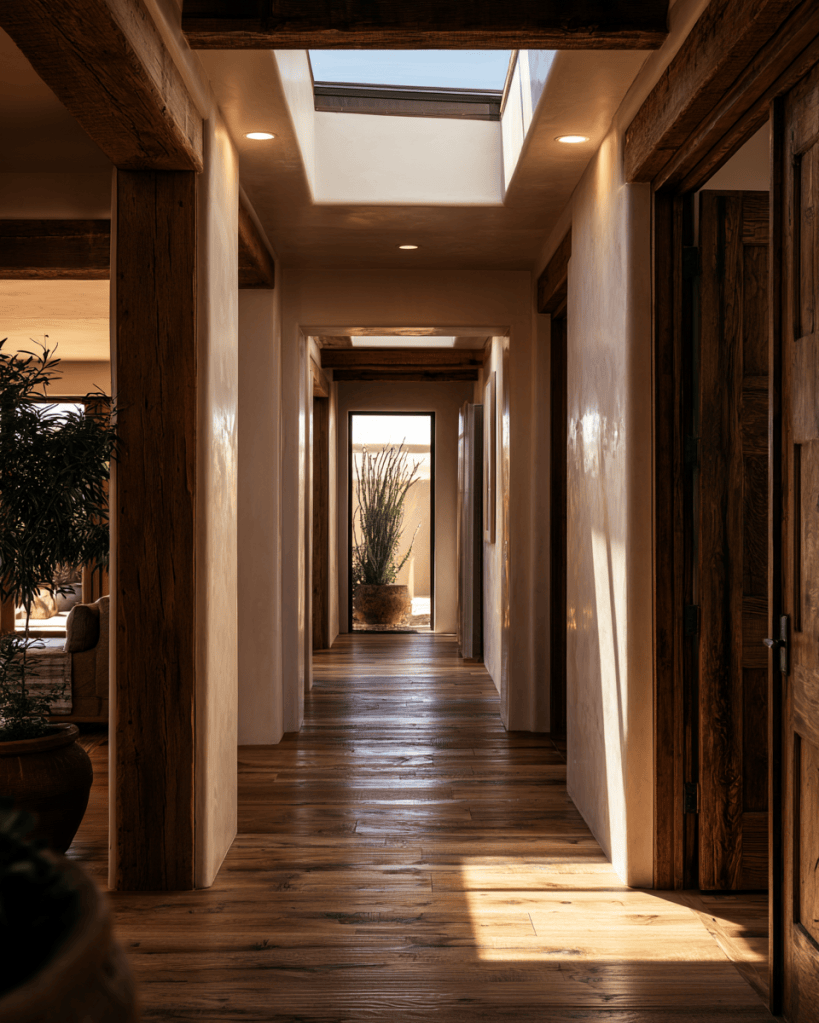
When it comes to luxury building, the sky truly is the limit, and there is no wrong or right answer for what is best in a home. But we are all interested in protecting and improving our financial portfolios and pouring investment into a project of functional obscelence or trusting the current trends to stay fresh and in demand five is years hence is typically not the way most discerning homeowners and investors would go. The wise homeowner knows that quiet opulence and tasteful use of technologies and home systems that truly elevate the living experience prove the more effective decision virtually every time.
 Macoyosh Journal
Leave a comment